
As with any project, communication is paramount during website design. It’s the bridge that connects your vision with the designer’s expertise, ensuring that the final product not only meets but exceeds expectations. However, many clients and designers underestimate the importance of establishing clear and structured communication channels from the outset. In this blog post, we’ll explore why effective communication is crucial in website design projects and provide practical tips to enhance the collaborative process.

Setting Clear Expectations
From the Start: Begin with a comprehensive project brief. At CourseVector, this begins with our Website Exploration Worksheet. Here, we collect a lot of important information that is used throughout many phases of your project. It’s important that you try your best to provide as many details as possible so that our sales team can create an accurate estimate and relay an accurate outline the of the project’s scope, objectives, and any specific requirements or preferences you have. It serves as a roadmap, guiding the designer in creating a website that aligns with your vision.
Pro Tip: An open dialogue with your sales rep is extremely important. This is the time to discuss your goals, style preferences, and any functional needs. Clear expectations prevent misunderstandings and set a solid foundation for the project.
Regular Updates and Check-ins
The Importance of Milestones: Website design projects are complex and multifaceted. Breaking the project into manageable milestones allows for regular check-ins and progress updates. This not only keeps the project on track but also provides opportunities to address any concerns promptly. You can find a breakdown of our typical process on our Web Design page.
Pro Tip: The CourseVector team typically checks in weekly with a progress check. Feel free to reply to these emails with feedback and questions so that we can make any necessary adjustments. Regular communication ensures that the project stays aligned with your expectations.
We typically quote fairly low, figuring all communication will be done via email. This ensures we can help clients of all budgets get a high-quality website without having to pay for services they don’t need. If you would like a more personalized experience, please let us know.
Utilizing Collaboration Tools
Staying Organized: We ask that all instruction is given via out ticketing system. If you do have a phone call with one of our staff, we will write up a summary of the call and get you to approve any change requests via email just so we have a written record of everything.
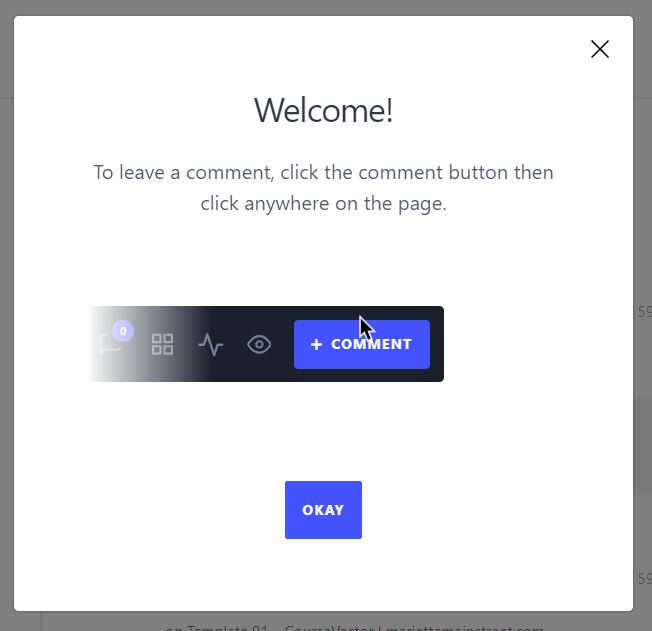
When we get to a phase in your project where we are making changes to your website, we use a tool that allows you to comment on the website right where you’d like to see the change. This helps to eliminate confusion between you and our design team.
Pro Tip: If you’re sending many files at one, or large files, please use our large file transfer system. Our ticketing system has a size limit and will strip anything that exceeds that limit.
Feedback and Revisions
Constructive Criticism: Providing feedback is a critical part of the design process. However, it’s essential to be constructive and specific. Instead of saying, “I don’t like this,” explain why you feel that way and suggest possible alternatives.
Pro Tip: Use visual references to convey your ideas. Share examples of websites or design elements you admire, and explain what you like about them. This provides the designer with a clearer understanding of your preferences and expectations.
Managing Changes and Scope Creep
Staying on Track: Scope creep can derail a project and lead to delays and increased costs.
Pro Tip: Remember, all changes must be requested in writing via our ticketing system. Any changes made over the phone must be formally requested in writing, reviewed, and approved. This helps manage expectations and keeps the project on track.
Final Review and Launch Preparation
The Last Mile: As the project nears completion, thorough testing and review are essential. Ensure that the website functions as intended across different devices and browsers. While we do test things on our end, it’s important that you test things as well to make sure the site functions as you expect it should. Once you’re ready to go live with the site, please send a request to do so via your ticket. It doesn’t have to be super formal. “We love the site, and we’re ready for go-live!” is all we need to move forward.
Pro Tip: Remember that you’re working with actual humans. We can miss things. Please let us know if you see something that needs to be fixed, and we’ll make changes as soon as possible. Also remember we build our website using the WordPress CMS. Nothing is set in stone. We can make changes even after we go live.
Conclusion
Our goal is to dedicate the necessary time to discuss your project in detail, address any questions or concerns you might have, and ensure we are aligned every step of the way. These interactions involve preparation, focused discussion, and follow-up, all of which contribute significantly to the quality and efficiency of our work.
Transparent Billing
- Itemized Billing: If we opt for itemized billing, you’ll see a clear breakdown of the time spent on phone calls and meetings in your invoices.
- Built-In Costs: Alternatively, these costs might be included in the overall project fee, providing you with a simplified view of the total investment required for your project.
Rest assured, whether these charges are listed separately or are included within the project cost, the objective remains the same: to ensure you receive dedicated attention and high-quality service.
Effective communication is the cornerstone of a successful website design project. By setting clear expectations, maintaining regular updates, utilizing collaboration tools, providing constructive feedback, managing changes, and conducting thorough reviews, you can ensure a smooth and productive design process. Remember, the goal is to create a website that not only looks great but also serves your business needs effectively. Open, honest, and structured communication with your designer is the key to achieving this goal.
