
The internet has transformed how we live and work. Information is easily accessible and creative works have changed with the availability of inspiration at our fingertips whenever we wish to view it. It is imperative to uphold ethical standards in online practices. One particularly unethical behavior that many people see as a “victimless crime”, but adversely affects the online community, is the act of stealing website designs and content. Let’s take a look at what is copyrightable online, and how we can use the internet to fuel creativity without stealing other people’s work.
Intellectual Property and Copyright Infringement
When one steals website designs and content, they are likely infringing on the intellectual property rights of the original creators. This can lead to legal consequences and damage to one’s reputation.
When web designers begin the design process, they often ask for sample websites – sites that clients like the look and feel of, that they think function well, that they like elements of. The intent is to get an idea of the client’s preferences, not to rip off the sample website and call it your own work.
Here are a few rules of thumb when embarking on a web design project:
- Avoid duplicating copyrighted elements like images, text, or source code.
- Do not use someone’s logo or trademarked material without permission. It is illegal.
- Drawing inspiration from various sites for your web design is acceptable.
- Recreating similar elements with custom code is legal.
- A custom website grants ownership of a unique design, preventing legal copying by other sites.
What is Copyrightable online?
It’s easy to think that because it’s online, it’s not tangible and therefore not copyrightable. But, that is not the case. In the context of online content, various types of creative works are subject to copyright protection. Copyright laws aim to safeguard the rights of creators and encourage the development of original content. Here are common types of online content subject to copyright (this list is not exhaustive by any means):
- Text – Articles, blog posts, books, and other written content are protected by copyright. This includes PDFs or other hand-out type materials created by a company for the use of their clients. You cannot remove their logo, put yours on it, and call it your own.
- Images and Graphics – Photographs, illustrations, graphics, and other visual elements are subject to copyright. Buyer beware: if you purchase photographs for use from an online vendor, read your license agreements. Some of them expire. You are then on the hook to remove those photographs from your website on the date in the agreement.
- Audio Content – Music, podcasts, sound recordings, and other audio content are protected by copyright.
- Video Content – Videos, films, animations, and other audiovisual content are subject to copyright.
- Software and Code – Computer programs, software, and code are protected by copyright as literary works.
- Artistic Works – Paintings, drawings, sculptures, and other forms of visual art are subject to copyright.
- Databases – Compilations of data, such as online databases, may be protected by copyright. Originality, creative expression, selection and arrangement, fixation, location (laws therein), compilation of data, and exclusions should all be considered when weighing if a database is copyright protected or not.
- Websites and Web Content – The overall design, layout, and specific content of a website can be subject to copyright protection.
- Architectural Works – Architectural designs and drawings may be protected by copyright.
- Original Presentations – Slideshows, presentations, and other original content created for educational or business purposes can be subject to copyright.
What elements of a website might get me in trouble?
Again, this list will not be exhaustive. But, let’s start thinking about specific elements of a website that may cause someone to take pause and think “they stole that!”
- Header
- Footer
- Slider
- Graphics
- Logo
- Exact Layout
- Color combos
- Font combos
It is important to note that while some items may not fall under copyright law, they may fall under intellectual property rights like trademark protections. Take, for example, UPS brown, Tiffany blue, T-Mobile pink. All of these colors are protected by trademarks.
Creating Unique Works
So how does one create a website without stealing? It’s perfectly ok to look at other peoples work and let your designer know the bits and pieces of a design that you like. It is best if you choose a few websites that you like, choose the elements you like from each, and create new website that works for your business. Draw inspiration from others; do not take from them.
What happens if I do take something that’s not mine?
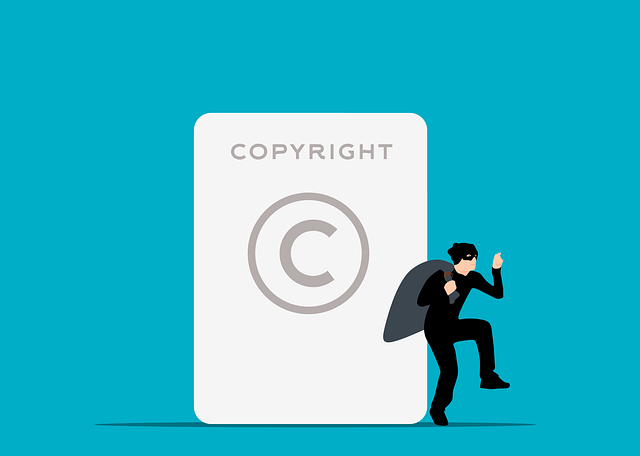
At no time will CourseVector accept responsibility for a client’s insistence to steal anyone else’s work. We will gladly work with you to create something unique to your business that fits your specific needs.
Stealing website designs and content tarnishes your reputation. It not only reflects poorly on your integrity but also damages trust among your clients and colleagues. Further, search engines prioritize original and high-quality content. Copied content can lead to poor search engine rankings, reducing the visibility and reach of the stolen content.
Engaging in ethical practices opens doors for collaboration and networking. By respecting the work of others, individuals and businesses can build relationships based on trust and mutual respect.
Copyright infringement can result in legal action. Understanding and respecting intellectual property laws is crucial to avoiding legal repercussions that can harm both personal and business interests.
If you made it this far, here are two videos that are geared for the younger crowd but do a great and entertaining job of explaining what “copyright” means and the implications of stealing creative works. It is worth noting that we did not produce either of these videos. We are not claiming them to be our own. We just think these are two great videos made some smart, entertaining people. Promoting the work of others is a-ok!
Conclusion
Upholding ethical standards contributes to the development of a positive online culture. Encouraging originality and respecting intellectual property fosters an environment where everyone can thrive and collaborate. Stealing website designs and content is not only unethical but also detrimental to personal and collective growth. By understanding the repercussions of such actions, individuals and businesses can make ethical choices that contribute to the overall health and sustainability of the online community.
